
A new local publication
Short videos and a weekly newsletter about Midlothian, its towns and its history
The Midlothian Minute is an independent local publication. We’re starting a weekly newsletter with local news and one topic explained properly, with the sources we used, and a series of short explainer videos about the places around us.
Get the newsletter
Free, once a week. You can unsubscribe at any time from the foot of any email. If the form doesn’t work for you, sign up here.
Newtongrange
Why the streets are numbered one to ten
The whole village was planned around the Lady Victoria Colliery, which the Lothian Coal Company began sinking in 1890.
Source: Geograph, Third Street photo notes
What we make
A place online for the people and places of Midlothian
We cover Dalkeith, Bonnyrigg, Penicuik, Newtongrange, Gorebridge, Mayfield, Loanhead, Roslin and everywhere in between. Every fact we share comes with a source.
01
The weekly newsletter
Local news from around Midlothian and one topic explained properly, with links to the sources we used.
02
Short explainer videos
Each video looks at one place or moment in Midlothian’s history, using real photos of the place. They go out on Instagram, Facebook and TikTok, and each one has a written story here with its sources.
03
Your questions, explained
Send us something you’ve always wondered about, such as a street name, an old building or a new development, and we’ll pick one to explain.
-
Latest explainer
 Ep.45
Explained · Penicuik
Mauricewood, 5 September 1889
On 5 September 1889 fire broke out underground at Mauricewood pit, near Penicuik. Seventy men and boys were working below. Seven came out alive.
More explainers
-
 Ep.44
Explained · Dalkeith
The Roman fort a kilometre west of Dalkeith
A Roman fort at Elginhaugh, about a kilometre west of Dalkeith, was spotted from the air in 1979. Archaeologists found a hoard of 45 silver coins there.
-
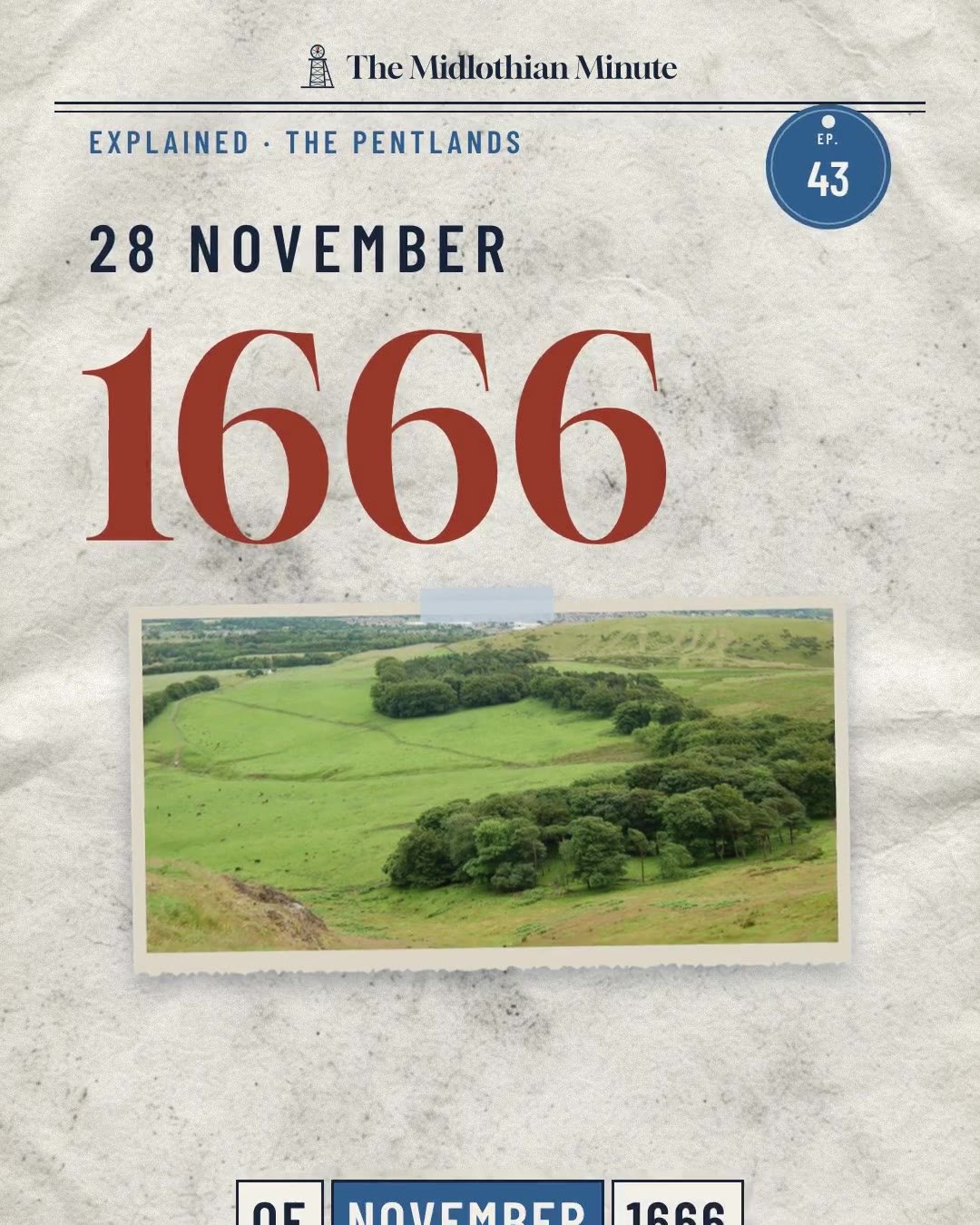 Ep.43
Explained · The Pentlands
Rullion Green and the Pentland Rising of 1666
On 28 November 1666 Covenanters who had risen two weeks earlier met a government army at Rullion Green, beside the Pentland Hills, and lost.
-
 Ep.42
Explained · The Tyne
Scotland’s own River Tyne starts in Midlothian
Scotland has its own River Tyne. It rises in the Moorfoot Hills near Tynehead, runs through Vogrie Country Park and reaches the North Sea near Belhaven.
-
 Ep.41
Explained · Dalkeith
The D-Day forecaster who grew up in Dalkeith
James Stagg went to Dalkeith High School and became chief meteorological officer for Operation Overlord. In June 1944 the D-Day landings waited on his forecast.
-
 Ep.40
Explained · Lothian
Where does the name Lothian come from?
Nobody is certain. It may come from King Lot of the Arthurian tales, from an old British name meaning the country of the fort of Lugus, or from a stream called the Lothian Burn.
-
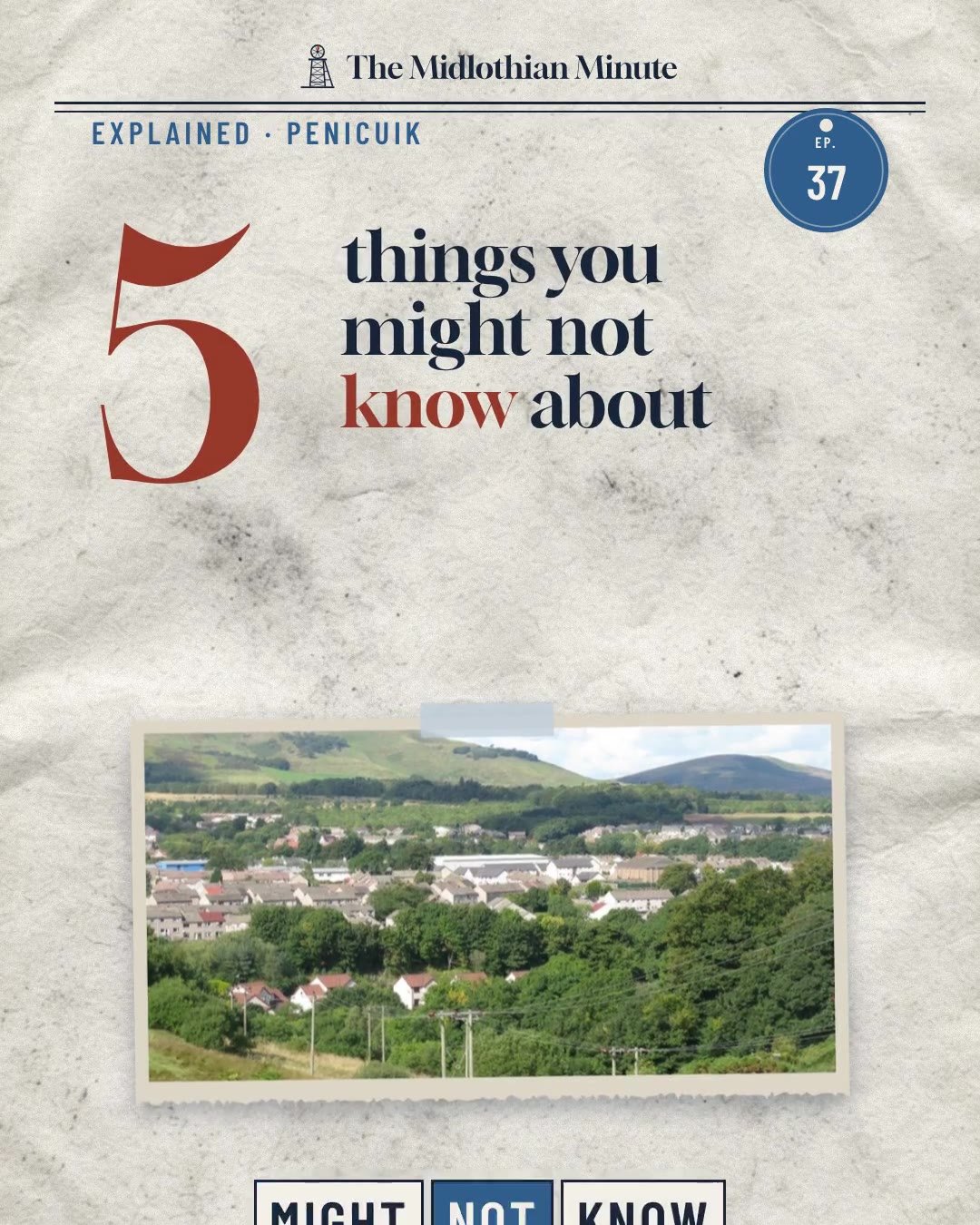 Ep.37
Explained · Penicuik
Five things you might not know about Penicuik
A planned village, Bonnie Prince Charlie crossing the Esk, an early curling Grand Match, a lot of snow, and the man who led the British design team for Concorde.
-
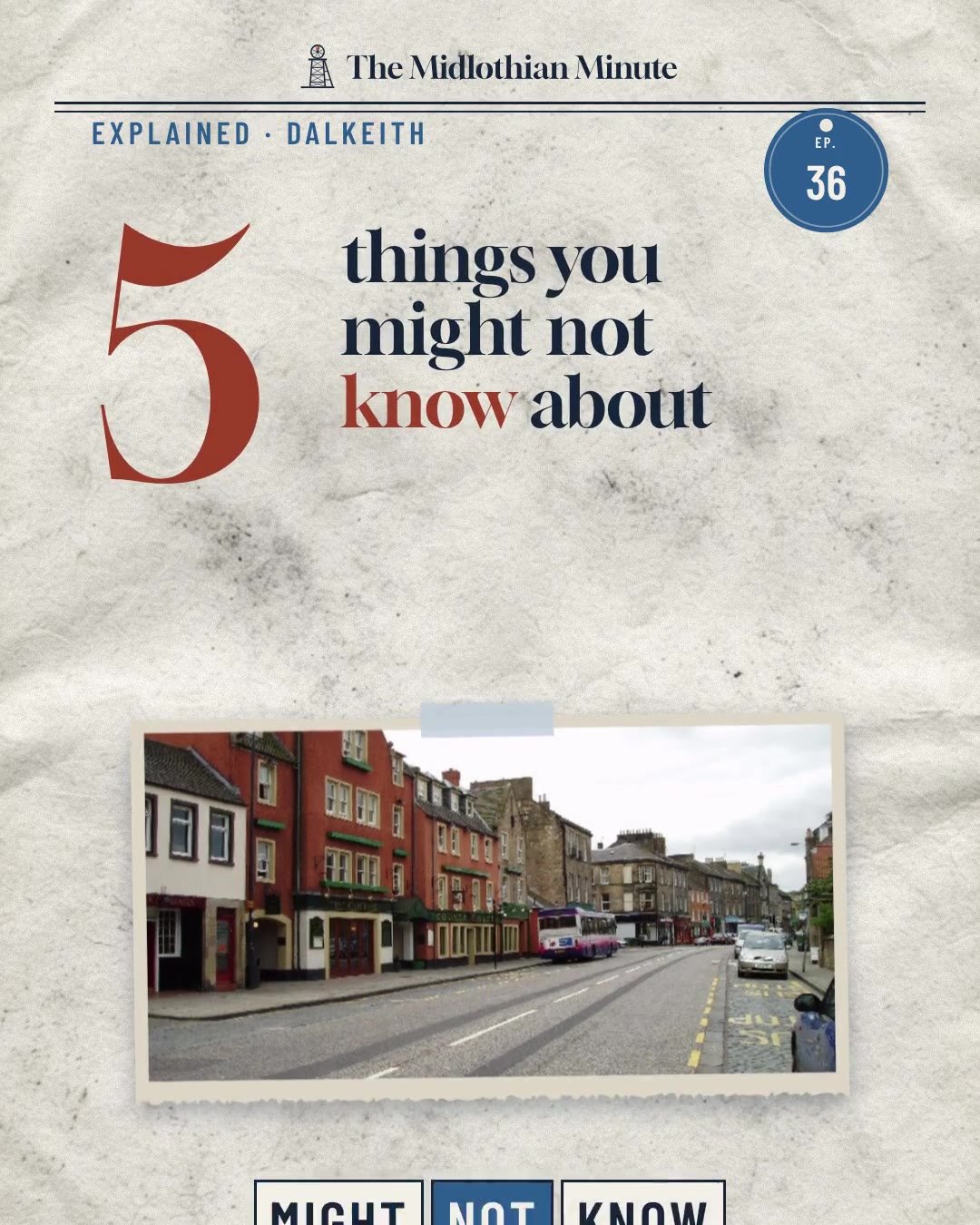 Ep.36
Explained · Dalkeith
Five things you might not know about Dalkeith
A general who commanded Scotland from the castle, a medieval chronicler, a town crier with a plate and spoon, the last public hanging, and the D-Day forecaster who grew up on the High Street.
-
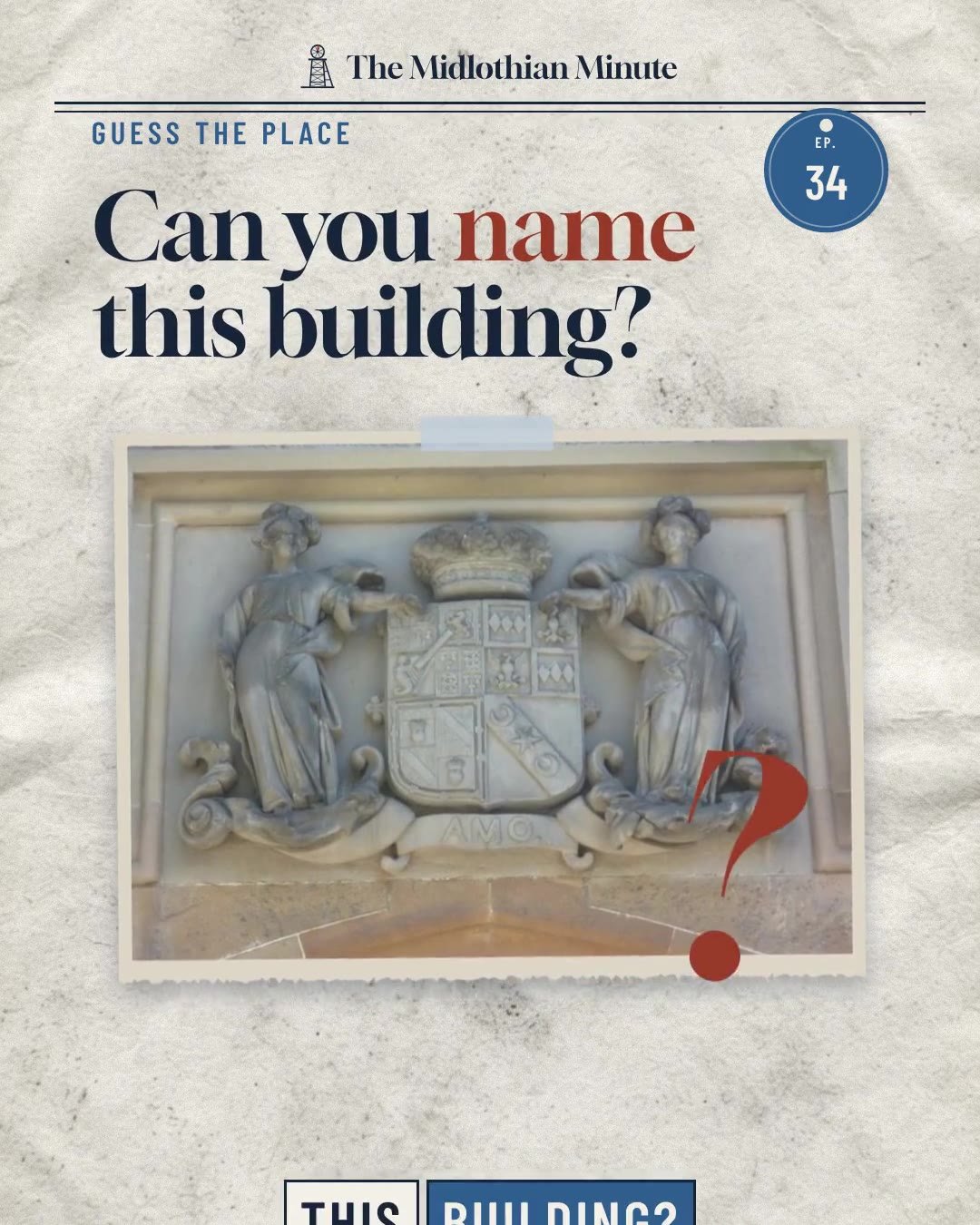 Ep.34
Explained · Dalkeith
Can you name this Dalkeith building?
Gladstone and Churchill both spoke here, and after the war it was the Empress Dance Hall. It is the Corn Exchange on Dalkeith High Street, which opened in 1854.
-
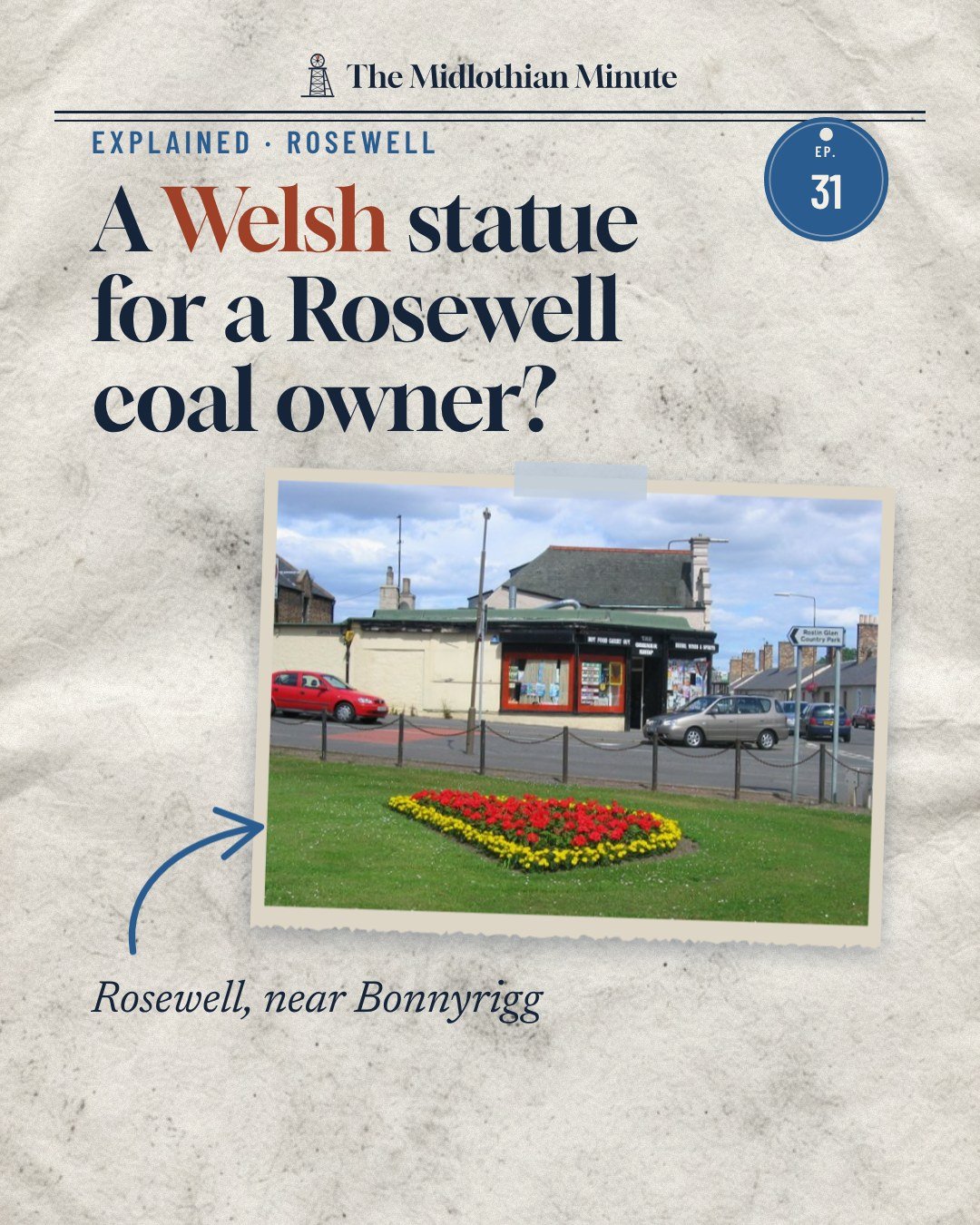 Ep.31
Explained · Rosewell
Rosewell’s founder and the statue his Welsh workers paid for
The mining engineer Archibald Hood established Rosewell around Whitehill Colliery from 1856. He also sank a pit in the Rhondda, where his workers paid for a bronze statue of him.
-
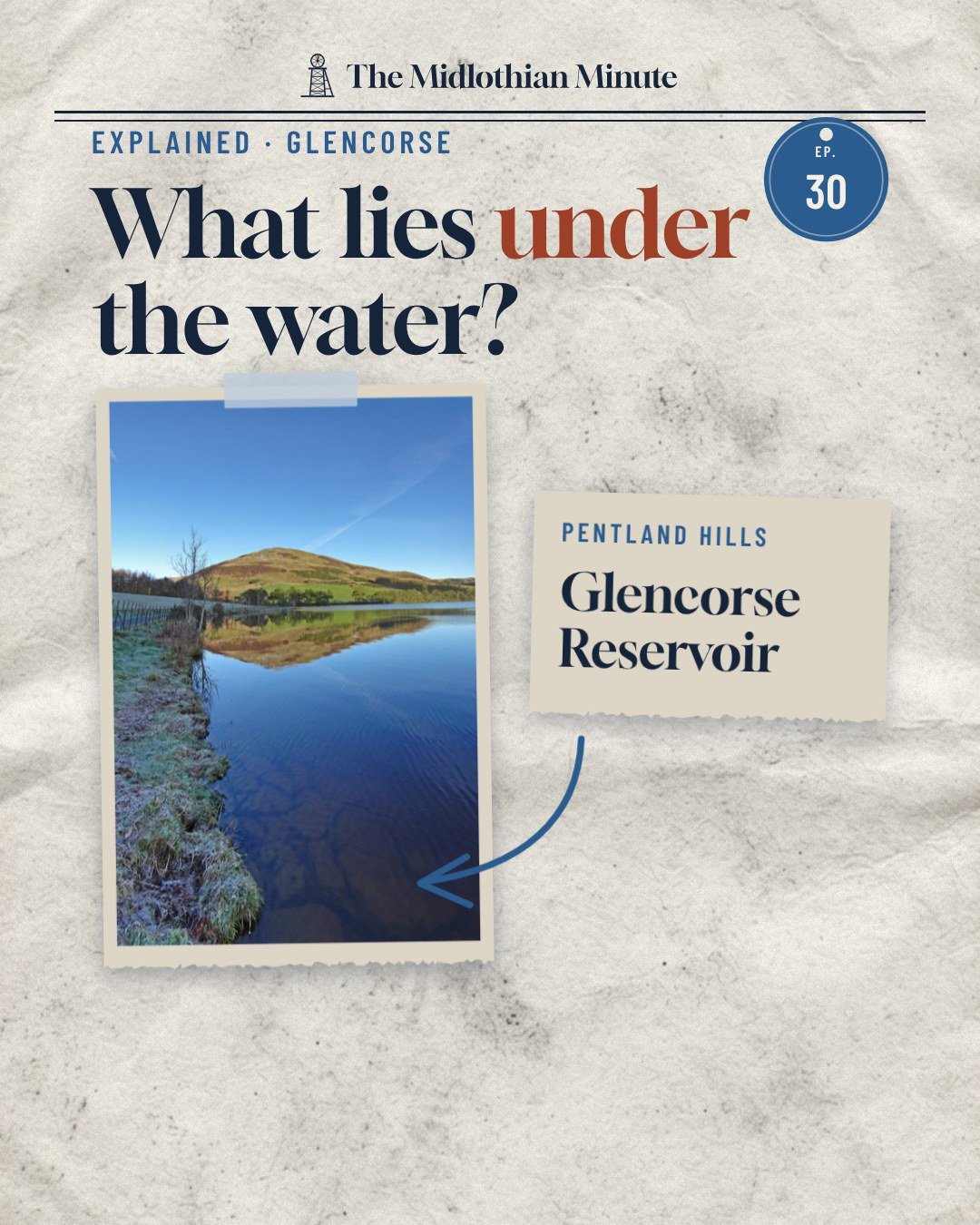 Ep.30
Explained · Glencorse
The medieval chapel under Glencorse Reservoir
The foundations of St Katherine’s in the Hopes, a medieval parish chapel, have been under the water since the Glencorse Burn was dammed between 1820 and 1824.
-
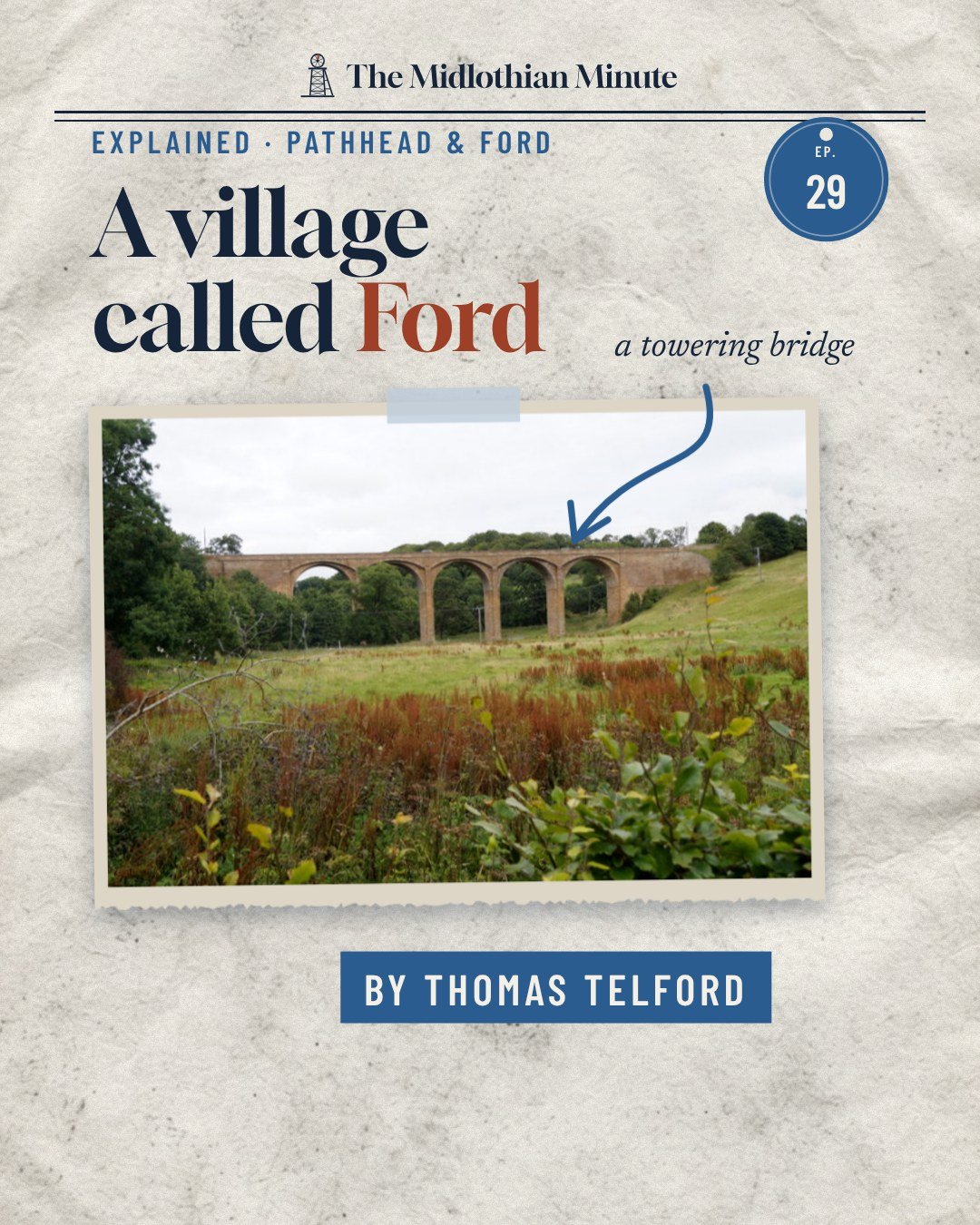 Ep.29
Explained · Pathhead
Why a village called Ford sits beside Telford’s Lothian Bridge
Before Thomas Telford’s Lothian Bridge was built between 1827 and 1831, travellers crossed the Tyne Water below Pathhead by a ford, and the village beside it is still called Ford.
-
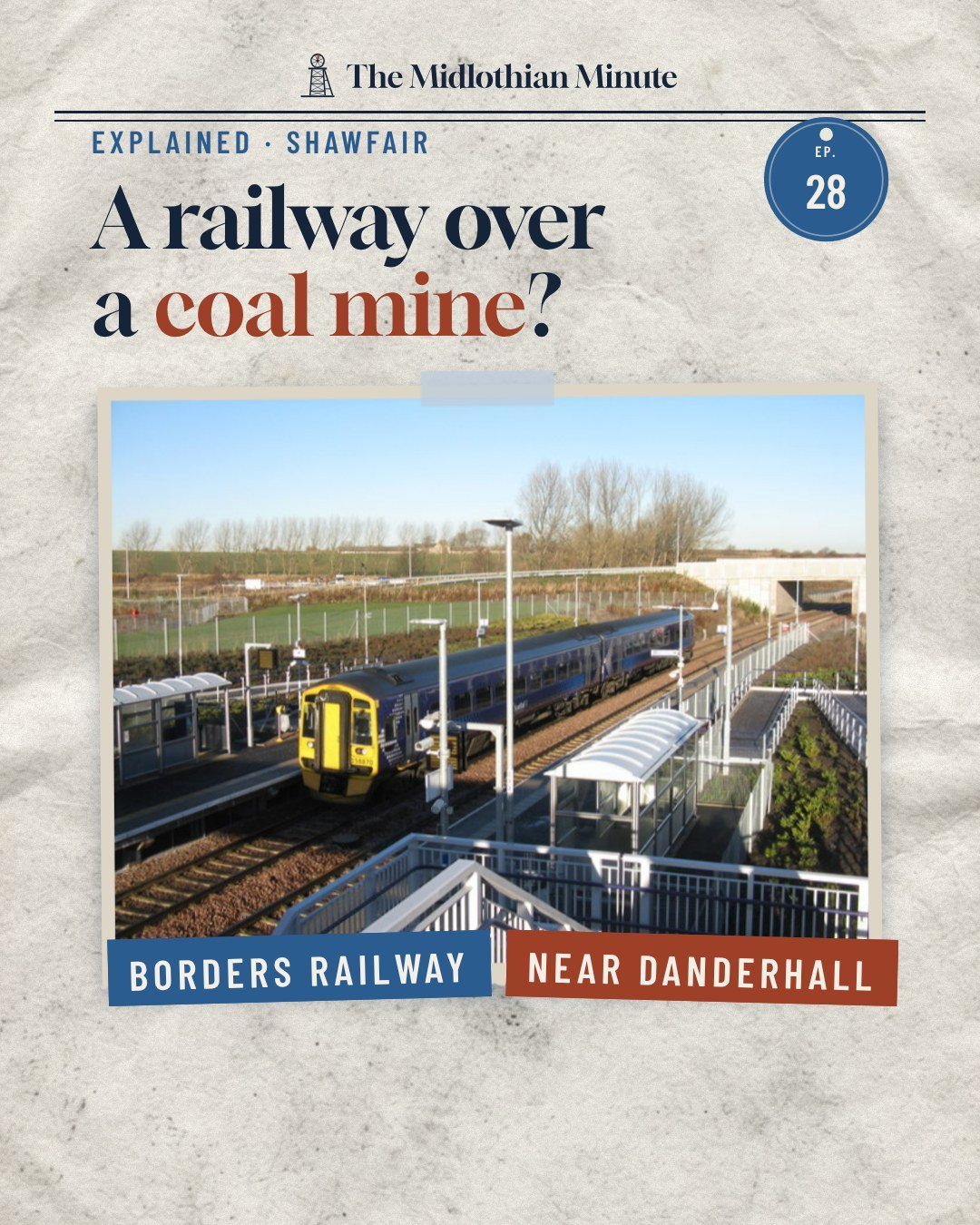 Ep.28
Explained · Shawfair
How Monktonhall Colliery became Shawfair
Shawfair station and the new town around it, near Danderhall, are built on the land of Monktonhall Colliery, which closed for good in the late 1990s.